


Do Brides Still Wear Wedding Garters in 2026?
Wedding traditions come and go—but some linger in surprising ways. One of the most commonly asked questions in modern bridal planning is: do brides still wear wedding garters in 2026? The short answer is yes… but not in the way you might expect.
Today’s brides are redefining what wedding traditions mean, and the garter is a perfect example of how old customs evolve rather than disappear.
The Tradition: Where Wedding Garters Came From
The wedding garter has been part of Western bridal tradition for centuries. Originally, it was a practical item used to hold up stockings. Over time, it became symbolic and eventually tied to wedding customs like the “garter toss.”
Historically:
- Guests once tried to take pieces of the bride’s clothing for “good luck”
- The garter toss emerged as a way to replace that chaotic tradition
- In modern weddings, the groom traditionally removes and tosses the garter at the reception
However, many of these meanings are now more historical than practical or widely practiced today.
So… Do Brides Still Wear Garters in 2026?
Yes, many brides still wear them. But fewer treat them as a required tradition.
In 2026, wedding garters fall into three main categories:
- The sentimental keepsake
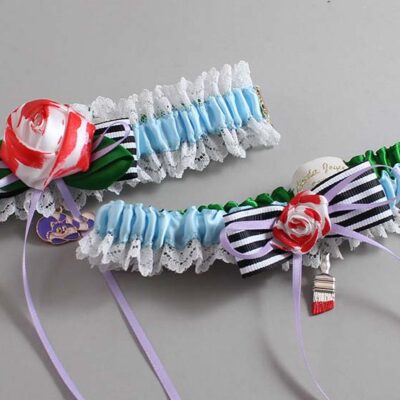
Many brides wear garters as a personal accessory or heirloom, sometimes incorporating:
- “Something blue”
- Lace from a parent’s wedding dress
- Custom embroidery or initials
These are often kept as meaningful mementos rather than used in a toss.
- The “for photos only” garter
Some brides wear a garter briefly for:
- Getting-ready photos
- A fun private moment
- A symbolic nod to tradition
Then they remove it before the reception begins.
- The traditional garter toss (less common now)
The garter toss still exists, but it’s noticeably declining. Many couples skip it entirely due to:
- Comfort concerns
- Preference for more modern reception activities
- Feeling that it’s outdated or awkward for guests
Recent wedding trends show couples increasingly moving away from both garter and bouquet tosses in favor of more inclusive or personalized alternatives.
Why the Garter Is Becoming Less Common
Even though garters are still available in bridal shops, their role has shifted. In 2026, couples are prioritizing:
- Comfort over tradition
- Personal meaning over scripted rituals
- Inclusive celebrations over gendered traditions
- Modern aesthetics over older symbolic customs
Many photographers and wedding professionals report that garter tosses are now relatively rare compared to a decade ago, especially in casual or modern weddings.
Why Some Brides Still Love the Tradition
Even with changing trends, garters haven’t disappeared. Brides still choose them because:
- They add a subtle “hidden detail” under the dress
- They can be romantic, playful, or sentimental
- They connect to family tradition or “something blue”
- They offer a private moment of bridal styling
For many, it’s less about the tradition itself and more about the feeling it represents.
The 2026 Reality: Optional, Not Expected
In 2026, the clearest answer is this:
Wedding garters are no longer an expectation—they’re a choice.
Some brides wear them, some don’t. Some keep them, some toss them, and many skip the tradition entirely without hesitation.
And importantly, no one considers it “missing” from a wedding anymore.
Final Thought
The wedding garter has survived centuries of change, but its meaning has evolved. In 2026, it’s less a rule and more a style decision.
Whether a bride chooses to wear one comes down to one thing: does it feel meaningful, comfortable, and fun for her wedding day?
If yes, it stays. If not, it’s one tradition that’s perfectly fine to leave behind.

Leave a Reply